


_______________________________________
Moving From Illinois to St. Petersburg, Florida: What Every Retiree Should Know Before Buying a Home
For many Illinois retirees, the dream is simple: trade snow shovels for sandy beaches, endless gray skies for year-round sunshine, and high property taxes for a more retirement-friendly lifestyle.
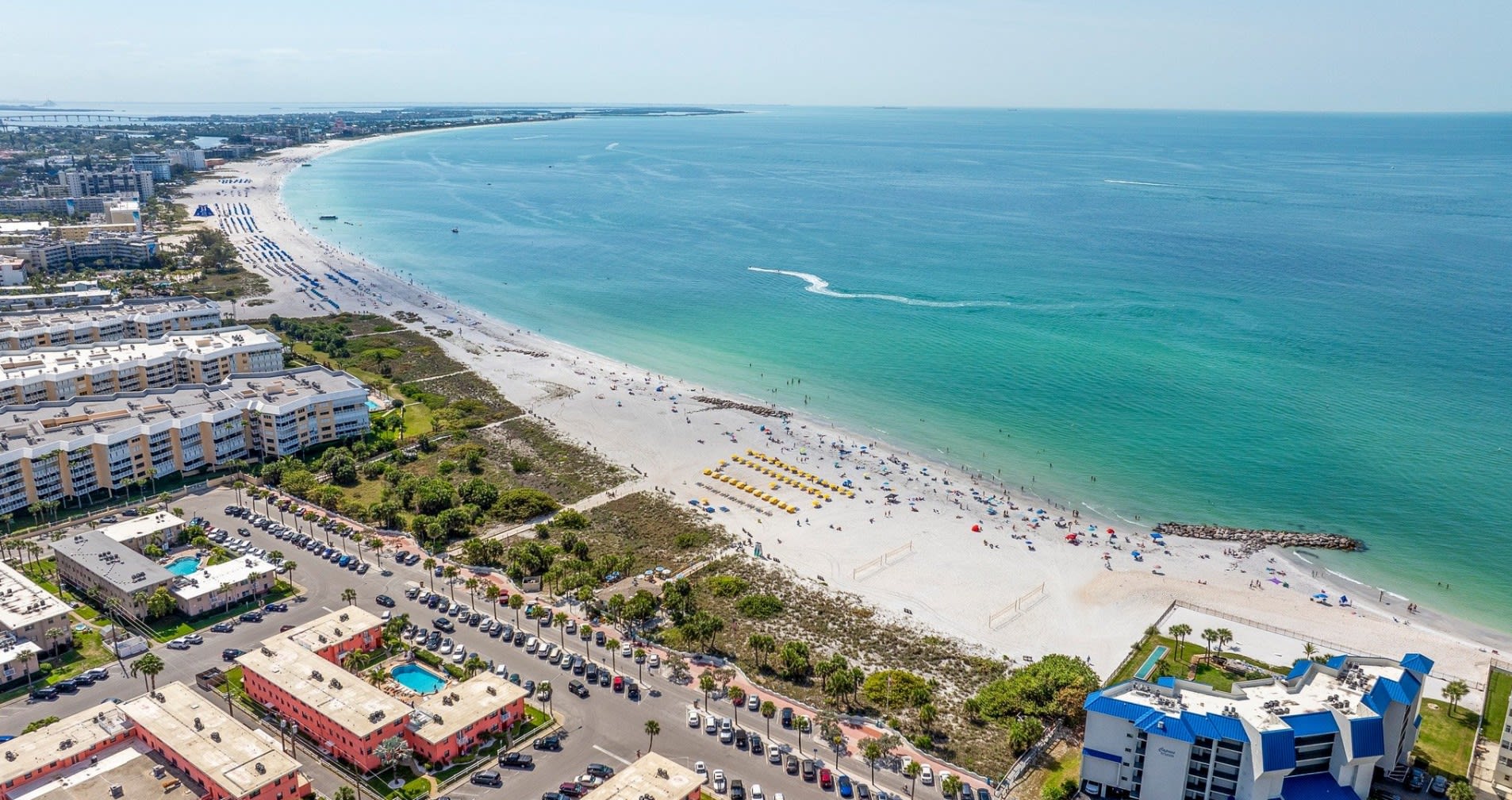
St. Petersburg, Florida—often called “The Sunshine City”—has become one of the most desirable retirement destinations in the United States. With its Gulf Coast beaches, vibrant downtown, healthcare facilities, outdoor recreation, and favorable tax environment, it’s easy to see why thousands of Illinois residents make the move every year.
But here’s the reality many buyers discover too late:
Buying a home in Florida is very different from buying a home in Illinois.
The differences extend beyond weather. Florida has unique property tax rules, flood insurance requirements, condo regulations, hurricane considerations, and closing procedures that can surprise even experienced homeowners.
At MuchaRealEstate.com, we’ve helped countless Illinois residents navigate major real estate decisions over the past 22 years. Understanding these differences before you start shopping can save you thousands of dollars and countless headaches.
This guide will walk you through the most important factors retirees should understand before making the move.
________________________________________
Why So Many Illinois Retirees Are Choosing St. Petersburg
Quick Answer
St. Petersburg attracts Illinois retirees because of its warm climate, no state income tax, beautiful Gulf Coast lifestyle, strong healthcare network, and lower overall retirement costs compared to many Illinois communities.
The appeal goes beyond the weather.
Imagine waking up in January and choosing between a morning walk on the beach, a round of golf, a fishing trip, or lunch outdoors in 75-degree sunshine. For many retirees, that lifestyle becomes a reality after relocating to Florida’s Gulf Coast.
Key Benefits of Retiring in St. Petersburg
• No Florida state income tax
• Year-round outdoor activities
• Beautiful Gulf beaches
• Active retirement communities
• Excellent healthcare facilities
• Lower winter utility costs
• International airport access
• Vibrant arts and dining scene
• Strong resale demand for homes
Many retirees initially visit St. Petersburg as vacationers. Over time, they discover something surprising: the city offers much more than beaches.
The area features museums, waterfront parks, boating, professional sports, concerts, farmers markets, and a thriving downtown that appeals to active adults who want more than a traditional retirement community.
For former Illinois residents accustomed to long winters, the ability to stay active year-round often becomes one of the biggest lifestyle upgrades.
Comparing Illinois and Florida Retirement Living
Factor Illinois Florida
State Income Tax Yes No
Winter Weather Harsh Mild
Snow Removal Required Not Required
Hurricane Risk Minimal Moderate
Flood Considerations Limited Important
Homestead Benefits Available Available
Outdoor Activities Seasonal Year-Round
The decision isn’t simply financial. It’s about quality of life.
Many retirees tell us they spend significantly more time outdoors, exercise more frequently, and maintain a more active social life after relocating to Florida.
________________________________________
Start With Your Retirement Goals Before Looking at Homes
One of the biggest mistakes retirees make is beginning their home search before defining their long-term goals.
A beautiful property may not be the right property.
Before browsing listings, ask yourself a few critical questions.
Will This Be Your Permanent Residence?
This question impacts:
• Homestead exemptions
• Tax planning
• Insurance requirements
• Estate planning
• Driver’s license requirements
• Voter registration
Florida offers valuable homestead benefits for primary residents. However, these benefits generally do not apply to second homes.
Retirees who plan to become full-time Florida residents should understand how residency affects taxes and future property ownership costs.
Will You Split Time Between States?
Many retirees spend several years transitioning.
You may:
• Live in Illinois during summer
• Spend winters in Florida
• Gradually become a full-time resident
• Maintain properties in both states
This strategy can work well but requires thoughtful planning.
Maintaining two homes creates additional costs, including insurance, maintenance, utilities, and property taxes.
The ideal property for a seasonal resident may look very different from a home intended for year-round occupancy.
Think About the Next 10 to 20 Years
Retirement housing should support future lifestyle needs.
Consider:
• Single-story living
• Healthcare accessibility
• Maintenance requirements
• Walkability
• Future mobility concerns
• Proximity to family
Many retirees prioritize today’s wants but overlook tomorrow’s needs.
The best retirement home often balances lifestyle enjoyment with long-term practicality.
________________________________________
Understanding St. Petersburg Housing Options
One of the biggest surprises for Illinois buyers is the diversity of housing available throughout St. Petersburg.
Many people envision only waterfront condominiums.
The reality is far more diverse.
Condominiums
Condos remain one of the most popular choices for retirees.
Benefits include:
• Reduced maintenance
• Resort-style amenities
• Security features
• Community activities
• Convenient locations
Many retirees appreciate the lock-and-leave convenience, especially when traveling.
However, condo ownership also means:
• HOA fees
• Association rules
• Shared maintenance responsibilities
• Financial review requirements
We’ll discuss condo due diligence in greater detail later in this guide.
Single-Family Homes
Many Illinois retirees prefer detached homes because they offer:
• Greater privacy
• Yard space
• Pet flexibility
• Storage opportunities
• Potential appreciation
Single-family homes provide freedom but require more maintenance.
Unlike Illinois homes, Florida homes often require additional attention to:
• Roof systems
• Exterior paint
• Landscaping
• Storm preparation
• Humidity management
Townhomes
Townhomes offer a middle-ground solution.
Owners typically enjoy:
• Lower maintenance
• More living space than many condos
• Smaller outdoor areas
• Moderate association involvement
This housing type appeals to retirees seeking simplicity without sacrificing space.
Waterfront Properties
Waterfront living is often the ultimate Florida dream.
However, buyers should carefully evaluate:
• Flood insurance costs
• Storm exposure
• Maintenance expenses
• Evacuation zones
• Future resale considerations
A waterfront home can be a fantastic investment in lifestyle, but understanding total ownership costs is essential.
________________________________________
Matching Your Home to Your Retirement Lifestyle
Buying a retirement home isn’t only about bedrooms and bathrooms.
It’s about how you want to spend your time.
Think of your home as a tool that supports the retirement lifestyle you’ve worked decades to achieve.
Ask Yourself These Important Questions
Do you enjoy:
• Traveling frequently?
• Entertaining guests?
• Gardening?
• Boating?
• Golf?
• Walking to restaurants?
• Beach access?
Your answers will help determine which neighborhoods and property types make the most sense.
Example 1: The Active Traveler
Retirees who travel frequently often prefer condos because:
• Exterior maintenance is handled
• Security is enhanced
• Amenities remain available
• Properties are easier to leave unattended
Example 2: The Family Gatherer
Retirees expecting frequent visits from children and grandchildren may prefer:
• Single-family homes
• Guest suites
• Larger lots
• Swimming pools
Example 3: The Future Planner
Some retirees purchase with future healthcare needs in mind.
Important considerations include:
• Single-level living
• Nearby medical facilities
• Accessibility features
• Walkable communities
The key is finding a home that supports both today’s lifestyle and tomorrow’s needs.
Too often, buyers focus on cosmetic features while overlooking functionality.
A retirement home should enhance freedom—not create future limitations.