

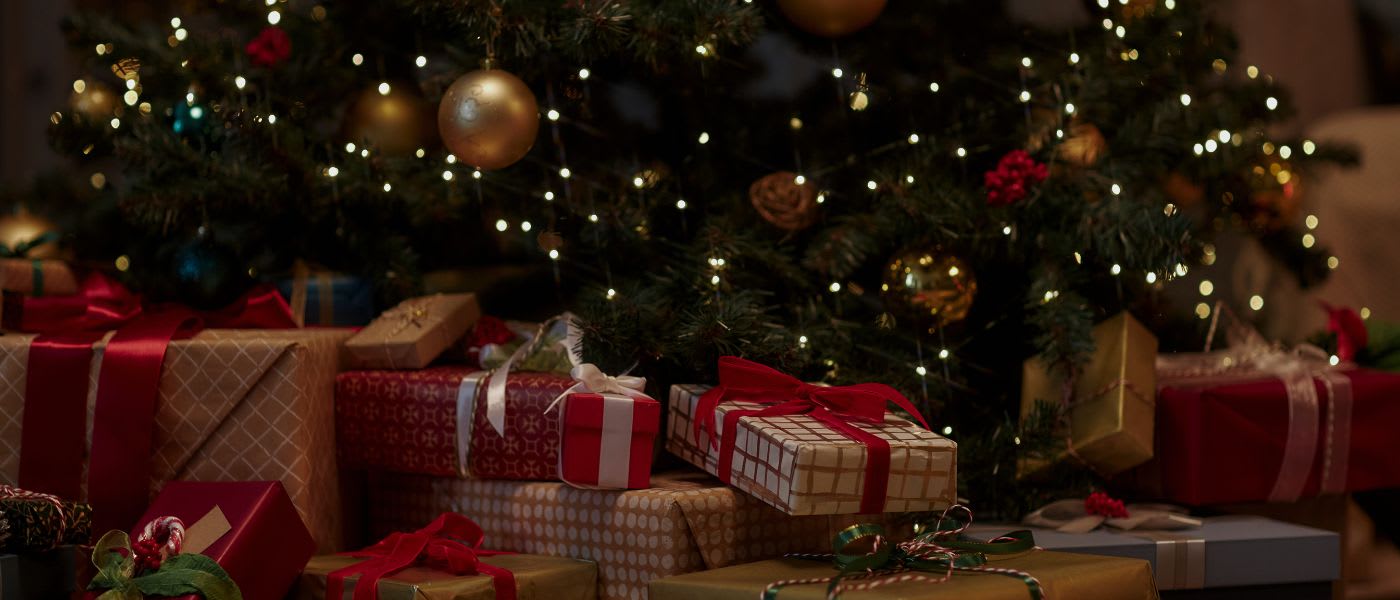

The scent of fresh pine, twinkling lights, and that perfect tree in the living-room corner — nothing says “holidays” quite like it. But every year, Christmas trees are involved in an average of 160 home fires in the U.S., causing millions in damage, injuries, and (in the worst cases) tragedies that no family should ever face (National Fire Protection Association, 2024 data).
The good news? Almost all of these fires are 100% preventable. Here are the simple, up-to-date rules I share with every one of my clients this time of year — because keeping your family and your biggest investment safe is always part of my job.
1. Live Tree? Keep It Thirsty
- A dry tree can become a torch in under 30 seconds. A well-watered tree? Nearly impossible to ignite.
- Check the water every day — a six-foot tree can drink a gallon or more in 24 hours the first few days.
- Cut 2 inches off the trunk before placing it in the stand (removes sealed sap so it can drink).
- Keep the stand filled so the water level never drops below the base.
Pro tip: If the tree stops “drinking” water after a week, it’s drying out fast — time to take it down.
2. Location, Location, Location
- At least 3 feet away from any heat source: fireplaces, space heaters, radiators, candles, and heat vents.
- Don’t block exits — a gorgeous tree isn’t worth slowing down an emergency escape.
- Secure it! Use a sturdy stand and anchor to the wall or ceiling if you have pets or little ones who love to climb.
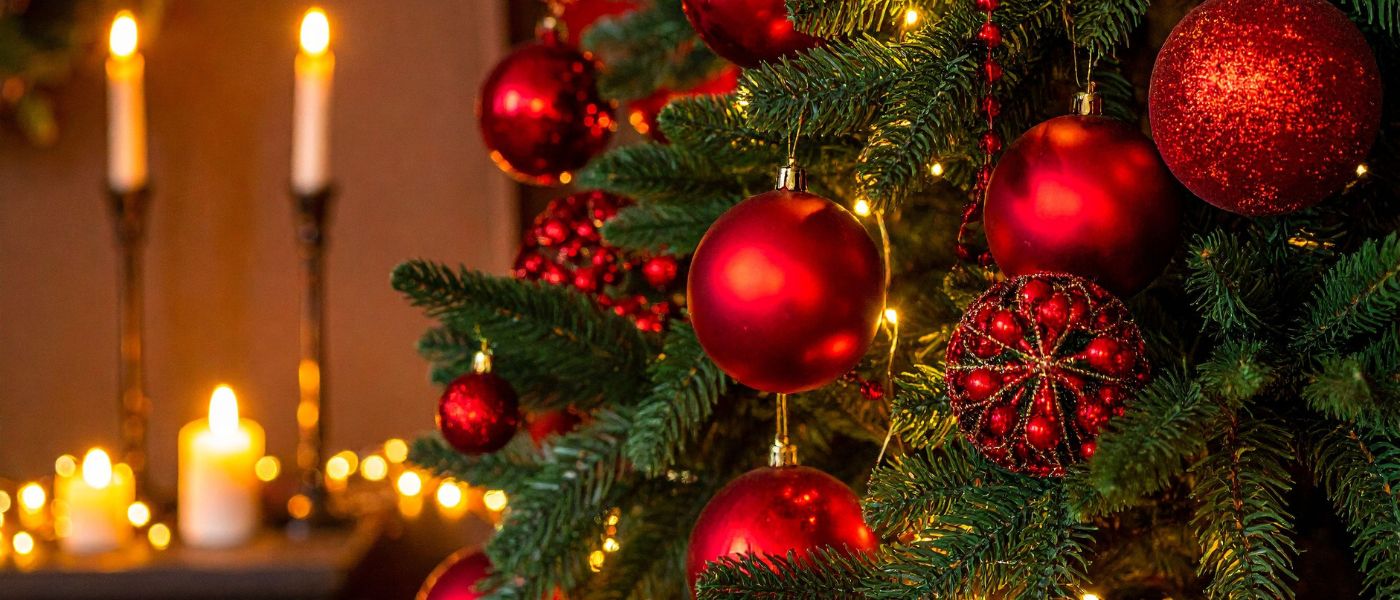
3. Lights: The #1 Cause of Tree Fires
- Check every single string for frayed wires, cracked sockets, or loose bulbs — toss anything questionable.
- Use only UL-listed lights labeled for indoor use.
- Never exceed the “maximum connect 3 strands” rule (or fewer if the box says so).
- LED lights are best — they run cooler and use 80–90% less energy.
- Always turn lights off when you leave the house or go to bed. A smart plug or timer makes this foolproof.
4. Decorations That Don’t Fuel Flames
- Skip anything with open flames (yes, even those pretty real-wax candles on clips).
- Keep metallic tinsel and “angel hair” away from lights — they can conduct electricity.
- Artificial snow sprays? Some are combustible — check the label.
5. When the Party’s Over
Most tree fires happen in January — long after the gifts are opened and we’ve stopped paying attention.
- Take the tree down by January 1st (or sooner if needles drop when touched).
- Never burn the tree or branches in your fireplace — the creosote buildup is a chimney-fire waiting to happen.
- Many towns offer free curbside pickup or recycling drop-offs — take advantage!
Bonus: Homeowner Insurance Reminder
A quick call to your insurance agent can confirm you’re covered for holiday-related mishaps. Most standard policies cover fire damage, but it’s better to know before you need to.
From my family to yours, may your home be filled with laughter, warmth, and zero trips from the fire department this season. If you’re ever unsure about anything in your home — tree placement, smoke detectors, or even whether it’s time to sell and upgrade to a bigger living room for next year’s tree — I’m always just a text away.
Wishing you the merriest (and safest) Christmas yet!
Greg Mucha Your Realtor® who cares about the whole house — not just the sale