



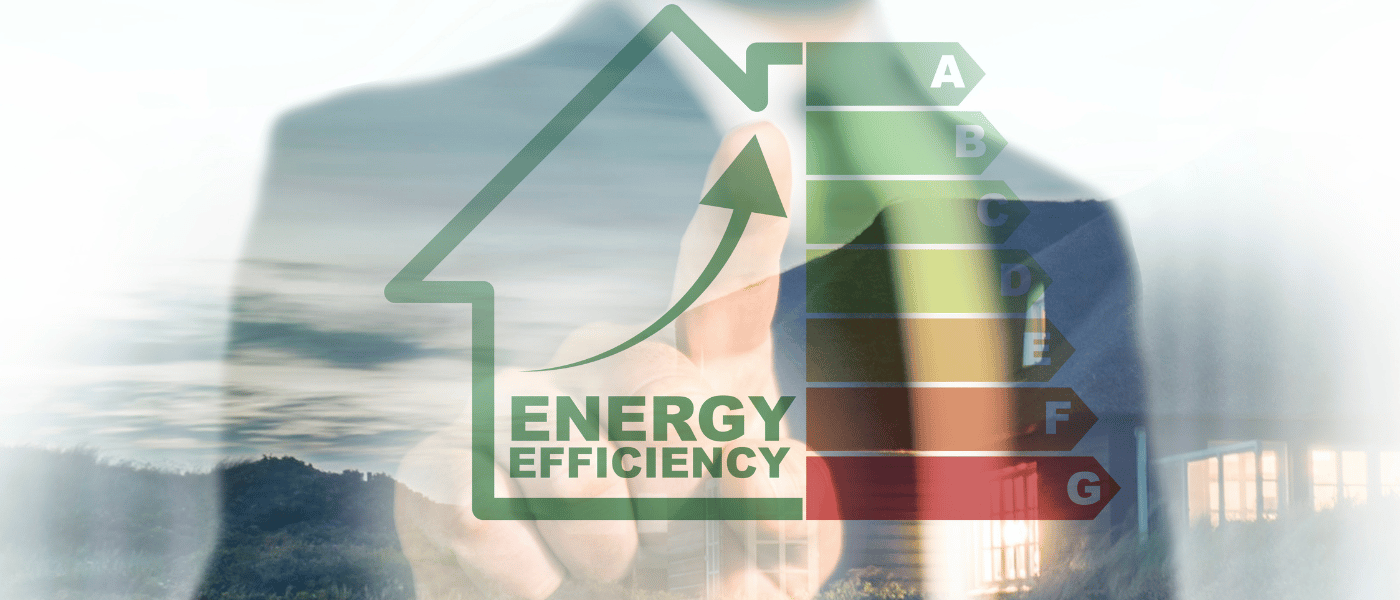
As a homeowner, making your home energy-efficient not only reduces your environmental footprint but also saves you money on utility bills. Plus, energy-efficient homes are increasingly attractive to buyers in today’s market. Here are practical and effective ways to boost your home’s energy efficiency.
1. Upgrade to Energy-Efficient Lighting
Switching to LED bulbs is one of the simplest ways to cut energy use. LEDs use up to 80% less energy than traditional incandescent bulbs and last significantly longer.
- Tip: Replace bulbs in high-use areas like the kitchen, living room, and outdoor lighting first. Consider smart lighting systems that allow you to control lights remotely or set schedules to avoid unnecessary usage.
2. Insulate Walls and the Attic
Proper insulation prevents heat loss in winter and keeps your home cool in summer. Check your attic, walls, and crawl spaces for adequate insulation.
- Action: Hire a professional to assess your insulation levels and add eco-friendly options like cellulose or spray foam if needed. Sealing gaps around windows and doors with weatherstripping or caulk also helps.
3. Install a Programmable Thermostat
A programmable or smart thermostat lets you control your home’s heating and cooling efficiently. Set it to lower temperatures when you’re away or asleep and warm up or cool down before you return.
- Pro Tip: Smart thermostats, like Nest or Ecobee, learn your habits and can be controlled via your phone, saving up to 10-15% on heating and cooling costs annually.
4. Use Energy-Efficient Appliances
When it’s time to replace appliances, look for those with the ENERGY STAR label. These appliances use less electricity and water, reducing both your bills and environmental impact.
- Consider: Upgrade your refrigerator, washing machine, or dishwasher if they’re over 10 years old. Newer models are significantly more efficient.
5. Seal Air Leaks
Air leaks around windows, doors, and ducts can waste a lot of energy. Inspect your home for drafts and seal them to keep conditioned air inside.
- How-To: Use a lit candle or incense stick near windows and doors to detect drafts. Apply caulk or weatherstripping where needed and consider professional duct sealing for HVAC systems.
6. Opt for Energy-Efficient Windows
If your windows are old or single-paned, they could be letting heat escape. Double- or triple-paned windows with low-E coatings reflect heat, keeping your home comfortable year-round.
- Budget Option: If replacing windows isn’t feasible, use window film or heavy curtains to reduce heat transfer.
7. Harness Solar Energy
Installing solar panels is a significant investment that can pay off over time. Solar energy reduces reliance on traditional power sources and can even allow you to sell excess energy back to the grid in some areas.
- Next Steps: Consult with a local solar provider to assess your home’s solar potential and explore available tax incentives or rebates.
8. Maintain Your HVAC System
Regular maintenance of your heating, ventilation, and air conditioning (HVAC) system ensures it runs efficiently. Replace filters every 1-3 months, and schedule annual professional tune-ups.
- Bonus: Consider upgrading to a high-efficiency HVAC system if yours is outdated, as newer models use less energy to heat and cool your home.
9. Use Ceiling Fans Wisely
Ceiling fans can reduce the need for air conditioning by circulating air effectively. In summer, set fans to spin counterclockwise to push cool air down; in winter, reverse the direction to circulate warm air.
- Tip: Turn fans off when you leave the room to save energy, as they cool people, not spaces.
10. Conduct an Energy Audit
A professional energy audit can pinpoint exactly where your home is losing energy. Auditors use tools like infrared cameras to detect leaks and inefficiencies, providing a roadmap for improvements.
- Get Started: Contact your utility company—many offer free or subsidized audits—or hire a certified energy auditor.
Why Energy Efficiency Matters
Energy-efficient homes aren’t just good for your wallet; they’re also a selling point in today’s real estate market. Buyers value homes that are cost-effective to maintain and environmentally friendly. By making these upgrades, you’re not only improving your quality of life but also increasing your home’s value and appeal.
Ready to make your home more energy-efficient or curious about how these upgrades can boost your property’s marketability? Contact me for expert advice on preparing your home for sale or enhancing its value. Let’s make your home a standout in the market!